Why California Utilities Need Cultural Brokers, Not Just Translators
Translation Is Not Communication
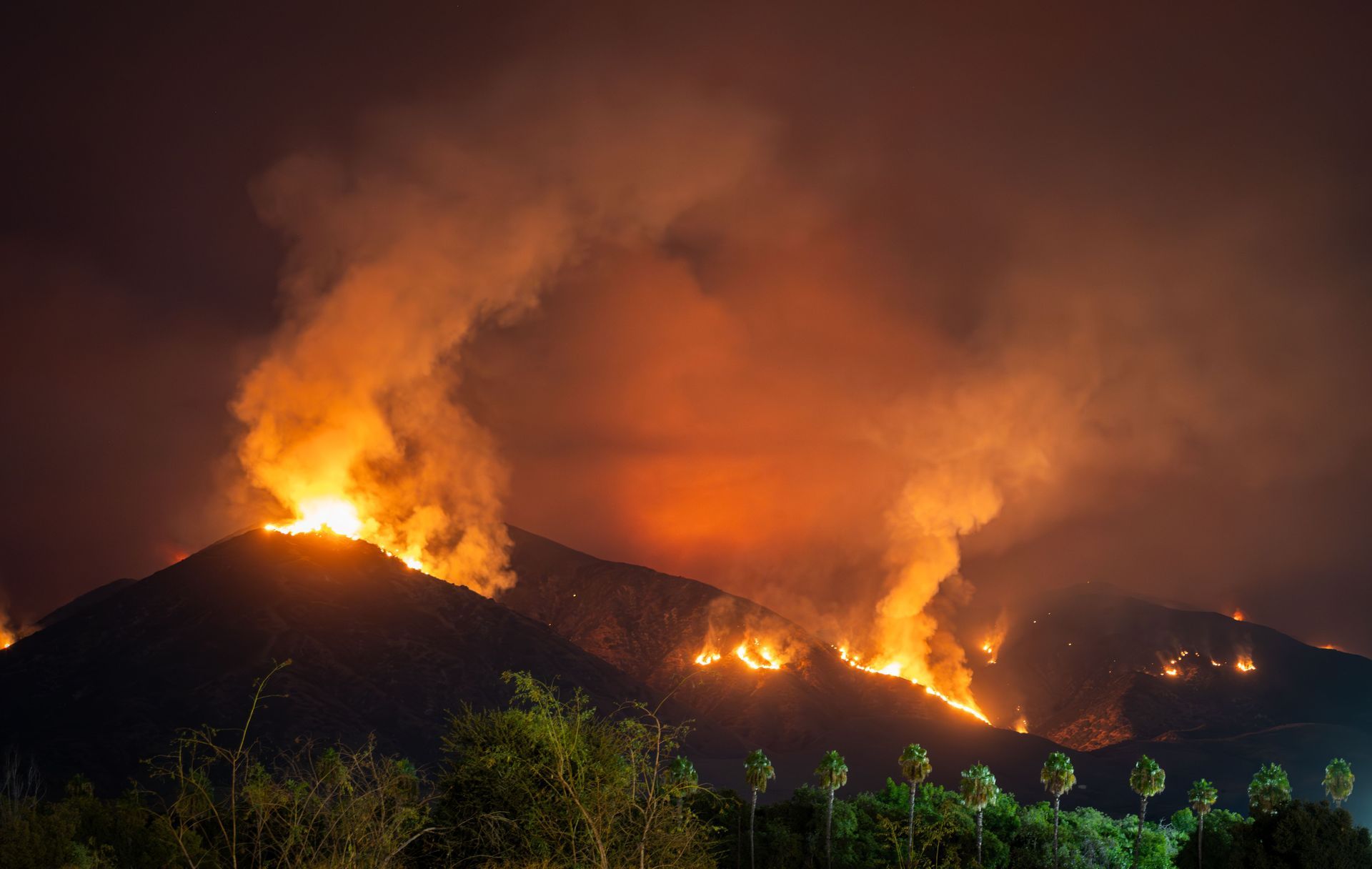
California's wildfire seasons have taught us many lessons. One of the most important is this: communication systems designed for English-speaking communities don't automatically work for everyone else.
Over the past several years, utilities across the state have faced an unprecedented challenge. Wildfire risk has intensified. Public Safety Power Shutoffs have become a standard tool for protecting communities during extreme weather. And yet, when the power goes off, the question isn't just whether the shutoff was necessary. It's whether every community in the service territory knew what was happening, why it was happening, and what to do next.
For millions of Californians, the answer has been no.
The Language Gap Is Real
California is home to 15.7 million Latinos and an estimated 170,000 indigenous Mexican migrants. Mixteco, Zapoteco, Triqui, and Purhepecha speakers who live and work in some of the state's highest fire-threat areas. Ventura County alone has 20,000 indigenous Mexican residents. The Central Valley, from Fresno to Bakersfield to Stockton, these are communities where Spanish is often the second language, not the first. The same is true in Sonoma County and Butte County, where wildfires have devastated entire communities.
Under CPUC Decision D.20-03-004, electric utilities are required to conduct in-language outreach before, during, and after wildfires to any community where 1,000 or more people speak a given language. That includes indigenous Mexican languages. Utilities are required to work with community-based organizations and use multiple outreach channels, not just a translated flyer.
But here's the gap. Compliance with the 1,000-speaker threshold is a regulation. Reaching the Mixteco-speaking family in Fresno who doesn't have internet access, doesn't speak Spanish, and trusts their local community organization more than any utility notice, that requires a different skill set entirely.
Translation Is Not Communication
Translation converts words from one language to another. It is a necessary step. But it is not the same as communication.
A translator can convert a PSPS notice into Spanish. A translator can even convert it into Mixteco. But a translator cann
- Identify which community-based organizations already have trust in the neighborhood
- Determine the right format for a community that doesn't rely on email, whether that's radio spots, community meetings, door-to-door outreach, or WhatsApp groups
- Navigate the cultural dynamics that determine whether a message is heard or ignored
- Build relationships with community leaders who become advocates, not just recipients
- Understand that in some indigenous communities, written notices are less effective than the spoken word delivered through trusted messengers
This is the difference between translation and cultural brokerage. Translation is a tool. Cultural brokerage is a strategy.
What Cultural Brokers Do Differently
Cultural brokers live at the intersection of two worlds. They understand the utility's regulatory requirements and operational realities. They also understand the community's language, culture, trust networks, and communication preferences. Not from a textbook, but from lived experience.
When The Imagen Group worked with the California Department of Toxic Substances Control on a community engagement program in Southeast Los Angeles, we didn't just translate materials. We recruited a 20-member Community Advisory Committee called CEHAT. Community members who lived in the affected neighborhoods, spoke the languages, and understood the concerns. We facilitated focus groups and community meetings where residents could voice their concerns in their own words. We coordinated with city and state agencies to ensure the community's voice was part of the decision-making process, not an afterthought.
The lesson was clear. When you engage the community at the onset, they become advocates. When you only reach out after a crisis, they become critics.
Recent Lessons
Recent wildfire seasons have shown us what happens when communication fails:
- In Santa Rosa and Sonoma County, families who didn't receive PSPS notifications in their language were left in the dark, literally and figuratively. Latino and indigenous agricultural worker communities were among the hardest to reach.
- In Paradise and Butte County, the Camp Fire demonstrated that emergency alerts relying on English-language channels missed entirely the communities most vulnerable to fire impacts.
- Across the Central Valley, from Fresno to Bakersfield to Stockton, water quality and safety notifications that met regulatory requirements still didn't reach LEP residents because the format, a written notice in a utility bill, wasn't how those communities receive information.
- In communities with significant Hmong, Punjabi, and Vietnamese populations, emergency communications in English and Spanish alone missed entire neighborhoods.
These are not failures of intent. They are failures of approach. The utilities and water agencies that are getting this right are the ones that recognize community engagement as a strategy, not a checkbox.
The Opportunity
Here's what I want agencies to understand. The same communities that are hardest to reach during an emergency are the communities that become your strongest advocates when you invest in them before the crisis.
When the City of Los Angeles needed to reach sidewalk and park vendors about a new permit program, The Imagen Group created vendor guides in 13 languages. Not because 13 translations were required, but because the vendors spoke 13 different languages and meeting them where they were was the only way the program would work.
When the LA County Department of Economic Opportunity needed to engage underserved communities about the MEHKO home-based kitchen program, we didn't just translate a flyer. We staffed community events, facilitated bilingual webinars, built alliances with nonprofits and chambers of commerce, and developed culturally relevant social media campaigns. The result was engagement, not just awareness.
The Path Forward
As California enters another wildfire season, utilities and water agencies have an opportunity to rethink how they communicate with diverse communities. The regulatory framework is in place. The funding is in place. What's often missing is the bridge between the regulation and the community.
That bridge is cultural brokerage. It's not a translation service. It's a strategy that starts with relationships, built on trust, delivered in the community's language and through their preferred channels, with people who understand both worlds.
Translation is the floor. Cultural brokerage is the strategy that turns compliance into trust.
Because when the next emergency comes, and it will, the question isn't whether your agency sent the notice. It's whether the community received it, understood it, and knew what to do.
Angelica Urquijo is the CEO and Founder of The Imagen Group, a multicultural marketing and communications firm based in Los Angeles. With 25 years of public relations experience in government, non-profit, and corporate sectors, The Imagen Group helps utilities, water agencies, and government organizations bridge the gap between regulation and community trust.