Heart Health Starts in Abuelita's Kitchen
Heart Health Has a Language: What a New Report Means for LA County
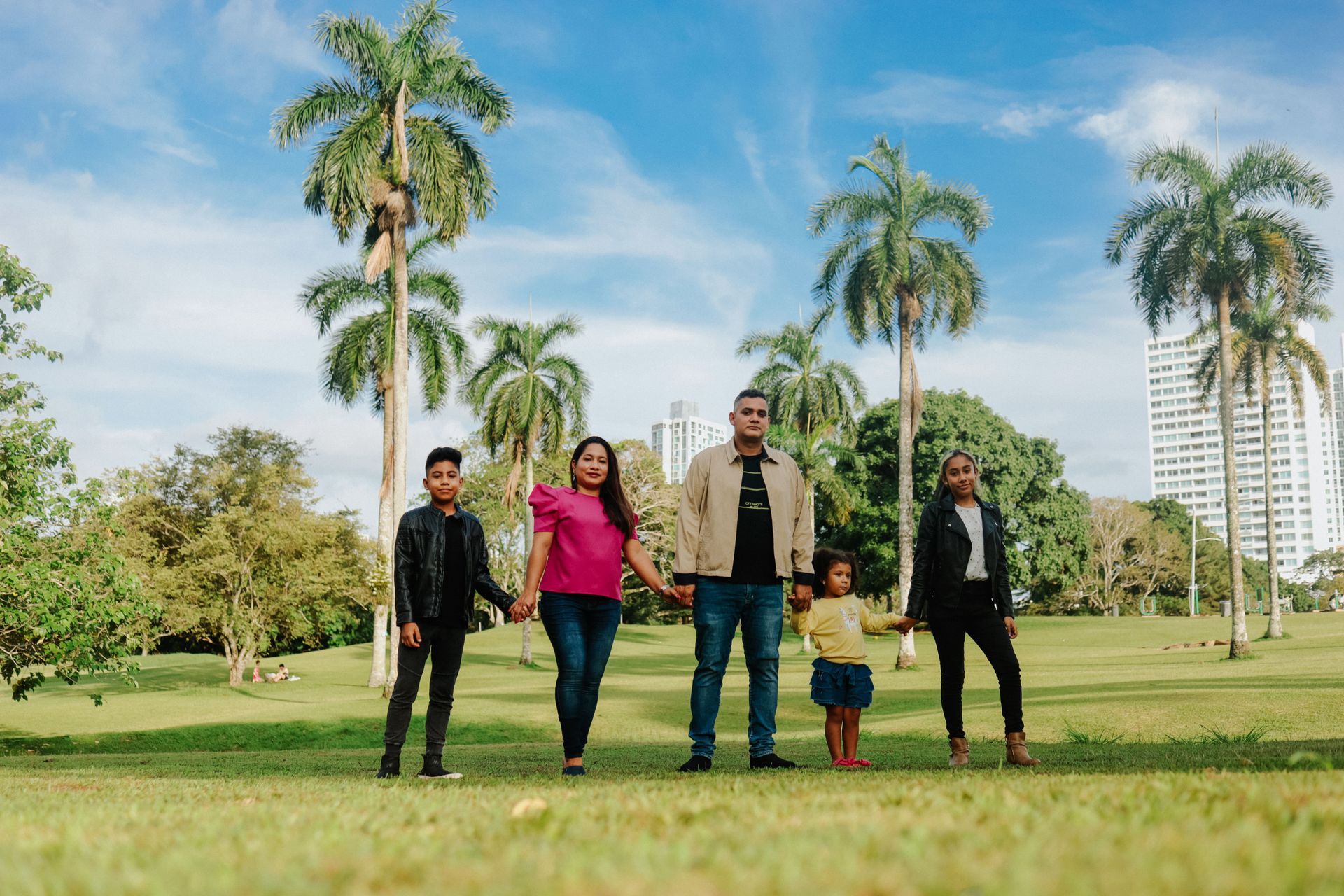
If you grew up in a Hispanic household, you know the kitchen is where everything important gets discussed. Where abuelita holds court when she visits, where the recipes that carry generations also carry love, and where nobody leaves without a plate.
No abuelita ever called it heart health. But in families across our communities, the small changes happen at the table: baked instead of fried, less salt, more vegetables folded into the arroz, a little less cerveza on the weekend, a walk with la familia after dinner instead of another hour in front of the screen, a checkup scheduled because hermana would not stop asking. Those small changes, made where life actually happens, are exactly how risk goes down.
New research says we need them more than ever.
The News Nobody Wanted
At the start of Hispanic Heritage Month, the American Heart Association announced a milestone nobody wanted to reach: cardiovascular disease has surpassed cancer as the leading cause of death among Hispanic adults in the United States. More than half of Hispanic men over 20 are now living with cardiovascular disease, and Hispanic adults are diagnosed with heart failure 8 to 9 years younger than white adults. This is not a condition of age. It is showing up in people who should have decades left.
Other communities carry heavy burdens too. Black Americans face the highest share of heart disease deaths in the country. But this month, and for this report, the story is what is happening in Hispanic households, and it hits especially close to home in Los Angeles County, where nearly half our neighbors are Latino.
Why Awareness Isn't Enough
Dr. Eduardo Sanchez, the American Heart Association's chief medical officer for prevention, put it plainly: “Improving heart health in Hispanic communities requires more than raising awareness. We must ensure every person has access to heart and brain health information and care that reflects their culture, language and unique needs.”
The default approach, translating an English campaign into Spanish and calling it multicultural, has never been enough. It treats language as a technical problem instead of what it is: the difference between information that is received and information that is acted on.
Five Ways Healthcare Providers Can Reach These Communities
- Create in the language, don't translate into it. Materials written in Spanish from the start carry the idiom, the warmth, and the cultural references that make health guidance feel like it was written for you, because it was.
- Work through trusted messengers. Promotoras and community health workers reach people no campaign can, because they are neighbors first. So do churches, schools, and community organizations that have earned trust over decades.
- Meet people where they already are. Resource fairs, back-to-school nights, cultural festivals. The places people choose to gather are the places where health outreach belongs.
- Represent the community in the message. The faces, voices, and stories in a campaign should reflect the people it is meant to serve.
- Bring in a bilingual marketing and public relations partner who knows the health sector. The right partner has worked both sides of the story, journalism and PR, and has clients who are healthcare providers and academic institutions. Our team at The Imagen Group brings exactly that experience, and it is why we can build campaigns that reach the abuelita, the hermana, and el papá with information they trust enough to act on.
The Month Ends. The Work Doesn't.
Hispanic Heritage Month ends October 15. The disparities in this report will not. The organizations that close the gap will be the ones that treat cultural fluency not as a seasonal gesture but as the way they communicate all year long.
Start in the kitchen. Start with la abuelita y la familia. The heart you protect may be your own.